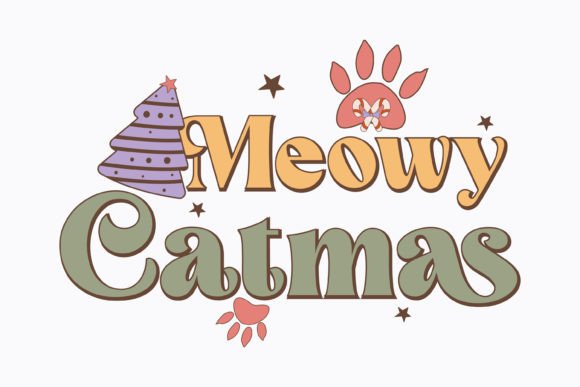
Christmas Tree Junkie Christmas Retro Review
As a designer who has spent years navigating the intersection of digital graphics and physical stitching, I approach every new asset with a mix of excitement and skepticism. When Christmas Tree Junkie Christmas Retro landed on my desk, I wasn't just looking at a file; I was visualizing it under the needle, debating its potential on various fabrics, and considering how it would sit in a customer's hands. This isn't just another holiday graphic; it is a specific design asset that demands practical judgment before it ever touches your embroidery machine.
The First Impression: Mood and Visual Personality
The moment you open the source files for Christmas Tree Junkie Christmas Retro, the retro aesthetic hits you immediately. There is a distinct warmth to the layout that feels nostalgic yet fresh enough for modern boutique branding. The typography carries that mid-century charm that we all love for holiday projects, but the true test lies in how those curves translate into thread. Unlike rigid block letters that often struggle with stitch density, this design promises a fluidity that suggests it will handle satin stitches well.
For the creative entrepreneur or Etsy seller, the mood is everything. A design like this doesn't just say "holiday"; it says "curated." It fits naturally into a collection of handmade products where the goal is to evoke a feeling of cozy tradition. The fact that the color is 100% changeable means you aren't locked into a specific palette. You can pull deep forest greens, classic reds, or even unexpected pastels to match a specific brand identity. This flexibility is crucial when you are trying to maintain consistency across a shop's inventory while keeping each item unique.
Real-World Application: From Screen to Stitch
I recently ran a scenario testing this design for a custom embroidered tote bag project intended for a local craft fair. The brief was simple: create a durable, reusable gift bag that felt personal and festive. Christmas Tree Junkie Christmas Retro seemed perfect for this application. However, the transition from a digital preview to a stitched reality requires careful planning.
When I loaded the file, I immediately considered the fabric texture. Tote bags are typically heavy cotton canvas, which provides a stable base for embroidery. But if I were to use this same design on a sweatshirt or a baby onesie, the approach would shift. On a soft, stretchy knit, the stabilizer choice becomes the most critical factor. Without a cut-away stabilizer backing, the tension might cause the lettering to pucker, ruining the clean lines of the retro font. For a baby item, where comfort is paramount, the stitch density must be reviewed to ensure the back of the embroidery isn't too stiff against delicate skin.
The versatility extends beyond apparel. Imagine this design on a kitchen towel or an apron for a holiday cooking class. The text-heavy nature of the design makes it ideal for these functional items. It serves as both decoration and a statement piece. In a commercial setting, placing this on a pillow cover could elevate a simple home decor item into a high-value gift. The key is understanding that the design works best when the background allows the thread colors to pop without competing with the fabric pattern.
Navigating Potential Pitfalls
No design is without its challenges, and Christmas Tree Junkie Christmas Retro is no exception. While the file includes EPS and SVG formats ready for print, the actual embroidery execution depends heavily on the hardware and materials used. One area to watch closely is small hoop sizes. If you attempt to stitch this on a cap or a small patch, the curvature of the surface can distort the perspective of the text. The retro style relies on balance, and a warped curve can make the message feel off-kilter.
Another consideration is dark fabric. While the design is color-changeable, using light threads on a black or navy background requires a high-quality underlay to prevent the fabric from showing through. Conversely, using dark threads on light fabric requires a check on the stitch density to ensure full coverage without creating a thick, uncomfortable ridge. For detailed corners or tiny lettering, you must inspect the digitization carefully. If the original vector art has sharp points, they may not translate well into thread, leading to loose ends or bird nesting during the stitching process.
Furthermore, if you plan to sell finished items commercially, you must verify the licensing terms included with the download. Just because you have the source file does not automatically grant you the right to mass-produce items for sale. Always confirm whether the license covers single-use personal gifts or broader commercial distribution. This distinction protects your business and ensures you are operating ethically within the crafting community.
Designer Notes for Professional Results
To get the most out of this design, I recommend a rigorous testing phase before committing to a final product. Start by running a test on scrap fabric that matches your intended material. This step reveals issues with thread tension, stabilizer adhesion, and overall appearance that are impossible to predict from a screen.
- Check Thread Contrast: Since the design is fully color-changeable, experiment with different thread combinations. High contrast usually yields the best readability for text-heavy designs.
- Review Stitch Density: Look at the fill areas. If the density is too high, the fabric may warp; if too low, the design may look thin and cheap.
- Inspect Small Details: Zoom in on the vector file to see if any elements are too fine for the machine you are using. Tiny serifs or intricate flourishes might disappear in a standard stitch count.
- Test Stabilizers: Ensure you are using the correct type of stabilizer (cut-away vs. tear-away) based on the fabric weight and the intended lifespan of the garment.
- Mockup Validation: Create black and white mockups to check the composition and balance of the design before spending time on thread and fabric.
Final Thoughts on Value and Trust
In the world of handmade goods, quality is the currency of trust. A well-executed Christmas Tree Junkie Christmas Retro design signals professionalism. It shows customers that you care about the details, from the initial vector selection to the final stitch. Whether you are creating personalized gifts for family, boutique merchandise for a holiday market, or digital assets for other designers, this file offers a solid foundation.
The ability to easily change colors and the inclusion of source files make it a versatile tool for any crafter. However, success lies in the execution. By treating the design with respect, testing thoroughly, and choosing the right materials, you transform a simple digital file into a tangible, cherished object. For the savvy designer, this isn't just about making a product; it's about crafting an experience that resonates with the holiday spirit while maintaining the highest standards of craftsmanship.